Experience
Toilet & Sink Overflow Cleanup in Philadelphia
Toilet and sink overflows create immediate disruption and a potential health hazard for homes and businesses in Philadelphia, PA. If you have standing wastewater, contaminated surfaces, or persistent odors after an overflow, professional Toilet & Sink Overflow Cleanup removes contaminated water, sanitizes affected areas, and restores safe use of plumbing fixtures. This service reduces short-term health risks, controls contamination spread, and helps prevent secondary problems such as mold growth or structural damage.
What does Toilet & Sink Overflow Cleanup involve in Philadelphia, PA?
Toilet & Sink Overflow Cleanup involves containment, removal of contaminated water, cleaning of affected surfaces, disinfection, drying, and a final inspection. Technicians first assess the type of wastewater and identify porous materials that may require disposal versus cleaning. They then isolate the area to prevent cross-contamination, extract fluids, clean and disinfect hard and soft surfaces, and use drying equipment to remove residual moisture.
Cleanup often includes documentation of conditions for insurance or property records and recommendations for repairs or follow-up treatments. The scope can range from localized countertop and floor cleanup to full-room sanitation when sewage has spread into walls or adjacent spaces. Professionals evaluate structural materials for salvageability and provide a clear plan for restoring safe occupancy.
Who needs Toilet & Sink Overflow Cleanup?
Any property where wastewater from toilets or sinks has pooled, penetrated porous materials, or reached areas used for living, working, or food preparation may need professional cleanup. Property owners, renters, property managers, and facility operators seek this service when simple DIY measures cannot reliably remove contamination or when there is concern about biological hazards. Older plumbing, blocked drains, and municipal sewer issues can make professional intervention necessary.
Residents with medical vulnerabilities, children, or pets should consider professional cleanup sooner because exposure risk increases in those populations. Commercial properties often require documented sanitation to meet health or safety obligations before reopening.
When should you schedule Toilet & Sink Overflow Cleanup in Philadelphia, PA?
Schedule professional Toilet & Sink Overflow Cleanup immediately if wastewater is present in living or working spaces, if it has soaked into carpets, baseboards, or drywall, or if odors persist after basic measures. Prompt action limits bacterial growth, reduces the chance of mold colonization, and lowers the extent of material replacement. If the overflow involves sewage or sign of backflow from a sewer line, call for emergency cleanup without delay.
If the overflow is minor and contained to drainable areas, you may start by isolating the area and removing visible liquids, but professionals should inspect to confirm that invisible contamination or moisture has not spread. Technicians assess the true extent of contamination and the appropriate level of sanitation.
How does the Toilet & Sink Overflow Cleanup process work?
The cleanup process begins with an initial contact and moves through assessment to completion and follow-up. Professionals typically follow a logical sequence to ensure contamination is controlled and removed:
- Initial contact and triage: The provider gathers basic information about the overflow source, affected areas, and urgency.
- On-site assessment: A technician inspects wastewater type, affected materials, and potential hazards.
- Scope identification: The team defines work limits, salvageable items, and necessary equipment.
- Preparation and containment: Technicians set up barriers, remove non-salvageable items, and control airflow to prevent cross-contamination.
- Service execution: Extraction, cleaning, and disinfection are performed using appropriate detergents and EPA-registered disinfectants.
- Drying and moisture control: Dehumidifiers, air movers, and monitoring devices remove residual moisture.
- Inspection and quality checks: Moisture meters and visual checks confirm drying and sanitation.
- Completion and documentation: The provider documents the work and advises on repairs or maintenance.
Each step addresses a specific risk: containment reduces spread, extraction lowers microbial load, and drying prevents secondary damage. Professionals document conditions to support insurance claims or landlord-tenant resolution.
What factors affect Toilet & Sink Overflow Cleanup?
Several property and incident conditions change the scope and methods for cleanup. Wastewater classification (clean water vs. gray water vs. sewage) affects disinfection needs and whether porous materials can be salvaged. The extent of saturation and how long the water sat determine drying time and potential for mold growth. Accessibility and layout affect equipment placement and work time.
Material composition also matters: ceramic and sealed stone are easier to sanitize than unsealed wood, upholstery, or carpet padding. Weather and seasonal humidity in Philadelphia, PA can influence drying speed and may require additional dehumidification. Finally, presence of electrical circuits, gas appliances, or structural damage will require coordination with other trades before or after sanitation.
What should you expect from Toilet & Sink Overflow Cleanup in Philadelphia, PA?
Expect an initial evaluation that identifies contamination type and a written scope of work outlining required steps. Technicians will set up containment to protect unaffected areas and remove standing water with pumps or wet vacuums. They will clean and apply disinfectants to non-porous surfaces and make recommendations about removing or replacing porous materials that cannot be reliably sanitized.
Expect monitoring during drying stages; technicians use moisture meters and hygrometers to confirm dryness. After work, you should receive documentation of actions taken, observed conditions, and suggested next steps such as plumbing repairs or structural restoration. If you need paperwork for an insurance claim, ask for an itemized report and photos during the initial inspection.
What preparation should you do before technicians arrive?
Before technicians arrive, clear the affected area of small personal items and move furniture that is safe to move to unaffected spaces. Turn off HVAC if instructed by the provider to avoid spreading airborne contaminants; otherwise follow the technician’s guidance. Secure pets and keep occupants away from contaminated areas during assessment and work.
Collect any policy or contact information your insurer requests and take photos for your records if it is safe to do so. Provide access to water and electricity if available, because professionals commonly use onsite power and water for extraction and cleaning.
What equipment and materials are used during cleanup?
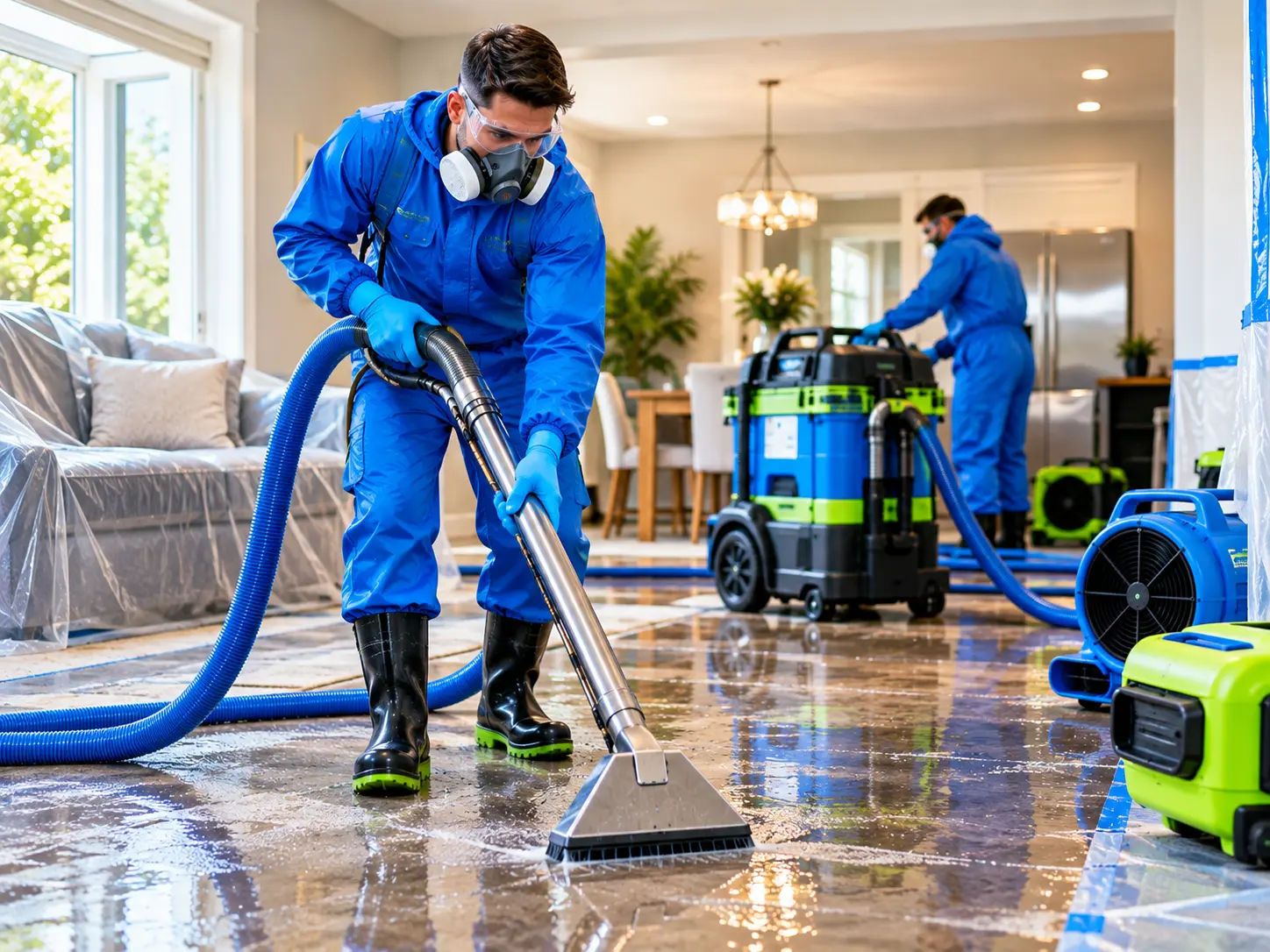
Professionals use a combination of extraction, drying, and sanitation equipment tailored to Toilet & Sink Overflow Cleanup. Typical equipment includes submersible pumps or truck-mounted extractors for large volumes, wet/dry vacuums, air movers, and dehumidifiers for drying. Technicians use moisture meters and thermal imaging to find hidden moisture pockets.
Personal protective equipment (PPE) such as gloves, eye protection, respirators, and protective suits protect workers from biological hazards. For sanitation, crews use detergents, enzyme-based cleaners, and EPA-registered disinfectants suitable for the specific wastewater type. HEPA-filtered vacuums remove settled particulates, and odor control agents neutralize persistent smells without masking them.
What safety considerations apply to Toilet & Sink Overflow Cleanup?
Safety considerations center on biological hazards, electrical hazards, and chemical handling. Sewage contains pathogens that can cause illness, so technicians wear PPE and apply appropriate disinfectants. Electrically powered extraction and drying equipment requires a safe electrical supply; technicians assess wiring and may use ground-fault protection or cord management to reduce shock risk.
Do not mix disinfectants or cleaning chemicals, and avoid using household bleach in confined areas without ventilation and professional guidance. Confined spaces and structural damage increase risk; professionals coordinate with electricians or contractors if wiring or structural integrity is compromised. Homeowners should avoid entering heavily contaminated areas until technicians clear the site.
How are Emergency Sewage Cleanup, Sanitation and Decontamination Services related?
Emergency Sewage Cleanup, Sanitation and Decontamination Services are overlapping responses that address immediate biological hazards, thorough sanitation, and removal of contaminants. Emergency sewage cleanup prioritizes rapid extraction and containment to stop ongoing contamination, sanitation removes pathogens and controls odors, and decontamination targets surfaces and materials to reduce infection risk. Together they restore safe occupancy.
Providers combine these services when an overflow involves sewage backflow, widespread contamination, or sensitive environments such as kitchens or medical-related spaces. The integrated approach ensures that short-term emergency actions align with long-term sanitation goals and that decontamination meets health-based standards.
How long does Toilet & Sink Overflow Cleanup usually take?
Cleanup duration varies and often depends on the volume of wastewater, the affected materials, and how quickly technicians can access the area. Small, contained overflows that affect limited non-porous surfaces can be addressed within a few hours, while incidents that involve saturated carpets, drywall, or hidden moisture often require multiple days of drying and monitoring. Professionals assess conditions and provide an estimated timeline based on measurements and observable damage.
Weather and indoor humidity in Philadelphia, PA can extend drying times, as can limited access to power or the need to remove and replace building materials. Expect a professional service to include both active cleaning time and passive drying/monitoring time in its overall schedule.
What factors influence the cost of Toilet & Sink Overflow Cleanup?
Cost depends on the incident size, wastewater classification, materials affected, accessibility, localized conditions, and whether demolition or reconstruction is needed. Removing and replacing carpet padding or drywall increases material and labor costs. Emergency or after-hours service and specialized remediation like odor control or mold mitigation add to charges.
Insurance coverage often affects out-of-pocket cost; coverage varies by policy and by whether the cause is a sudden accidental event versus maintenance-related. Providers typically provide a site-specific estimate after assessment rather than quoting fixed prices.
What maintenance or follow-up should be expected after cleanup?
Follow-up commonly includes moisture monitoring until readings return to acceptable ranges and inspection for mold growth in weeks following the event. If removal of building materials was necessary, plan for repairs such as drywall replacement, carpet and padding replacement, or baseboard installation. Professionals may recommend plumbing repairs, drain clearing, or installation of backflow prevention devices to reduce future risk.
Regular plumbing maintenance and timely response to early backups reduce the chance of repeat overflows. Maintain records of the cleanup and any repairs for insurance and property management purposes.
What questions should you ask a Toilet & Sink Overflow Cleanup provider?
Ask whether the provider classifies the wastewater and how that classification affects cleanup methods and disposal of materials. Ask which disinfectants and sanitation standards they use and whether they can provide documentation and photos for insurance purposes. Ask about equipment that will be deployed, how drying progress will be measured, and whether the provider coordinates with your insurer or other contractors.
Also ask about safety measures for occupants, any items that must be discarded, and whether the provider performs final clearance testing if you request microbiological sampling. Request a written scope of work and timeline so you can compare responses from different providers.
Call the team about your Toilet & Sink Overflow Cleanup needs at (888) 679-3880 to arrange an on-site assessment and documented plan for returning your space to safe use.
FAQ
Q: Will my homeowner or commercial insurance usually cover toilet or sink overflow cleanup? A: Coverage depends on your specific policy, the cause of the overflow, and your deductible; some policies cover sudden accidental discharges while others exclude damage from unresolved maintenance issues. Document the damage with photos, keep receipts for emergency services, and contact your insurer promptly. A professional provider can create a detailed estimate and scope to support your claim and help clarify what the insurer may require.
Q: Can personal items exposed to sewage be salvaged? A: Salvageability depends on material porosity, extent of contamination, and cleaning feasibility; hard, non-porous items like metal fixtures can often be cleaned and disinfected, while porous items such as mattresses, upholstered furniture, and certain fabrics usually require disposal. Technicians evaluate items on-site and can advise on professional cleaning methods for salvable textiles or recommend safe disposal for heavily contaminated goods.
Q: How soon can mold develop after an overflow? A: Mold colonies can begin to develop within 24–48 hours under moist, nutrient-rich conditions, so controlling moisture promptly is essential. Professional drying and monitoring reduce mold risk, and technicians typically perform repeated moisture checks until readings stabilize. If visible mold appears later, a targeted remediation assessment may be necessary.
Q: Is bleach effective for cleaning sewage-contaminated areas? A: Household bleach may disinfect non-porous surfaces in some cases, but it is not sufficient alone for complex sewage contamination and can be hazardous if mixed with other cleaners. Professionals use EPA-registered disinfectants and validated cleaning protocols tailored to the wastewater class and surface type to ensure effective sanitation. Ask your provider which products they use and why.
Q: What documentation should I get after cleanup for insurance or records? A: Request an itemized scope of work, pre- and post-service photos, moisture readings, list of removed/disposed materials, and recommended follow-up repairs. This documentation supports insurance claims and provides a clear record for future property management or resale. If you need it, ask the provider to submit documentation directly to your insurer.
Q: Do technicians require electricity and water access during cleanup? A: Technicians commonly use on-site electricity for pumps, dehumidifiers, and air movers, and they may use water for cleaning and rinsing surfaces; lack of power or water can limit procedures or require portable generators. Confirm access with the service provider before arrival so they can bring appropriate equipment if necessary.
Q: What limitations should tenants and landlords be aware of in Philadelphia, PA? A: Responsibilities for cleanup, repairs, and costs often depend on lease terms and the root cause of the overflow. Tenants should report incidents promptly and document conditions, while landlords should address structural or plumbing failures that cause recurrent problems. Both parties benefit from timely professional assessment and documented remediation to clarify responsibilities and reduce liability.
Q: When is professional testing for bacteria or pathogens recommended? A: Testing is appropriate when occupants include medically vulnerable individuals, when there is uncertainty about sanitation effectiveness, or when documentation is required for legal or insurance purposes. Professionals can perform or recommend environmental sampling and clearance criteria based on the situation.
Contact the team about your Toilet & Sink Overflow Cleanup needs at (888) 679-3880 for an assessment and documented cleanup plan tailored to your property and situation. [End of Article]
Quality Assurance
We guarantee exceptional toilet & sink overflow cleanup results with every project.
Prompt Service
On-time service delivery with attention to every detail.